

 Contact us
 Visit CPRE.org
 Donate
Z is for Zoology
This feature considers the counties zoology – exploring some of the places to appreciate animals across Bedfordshire.
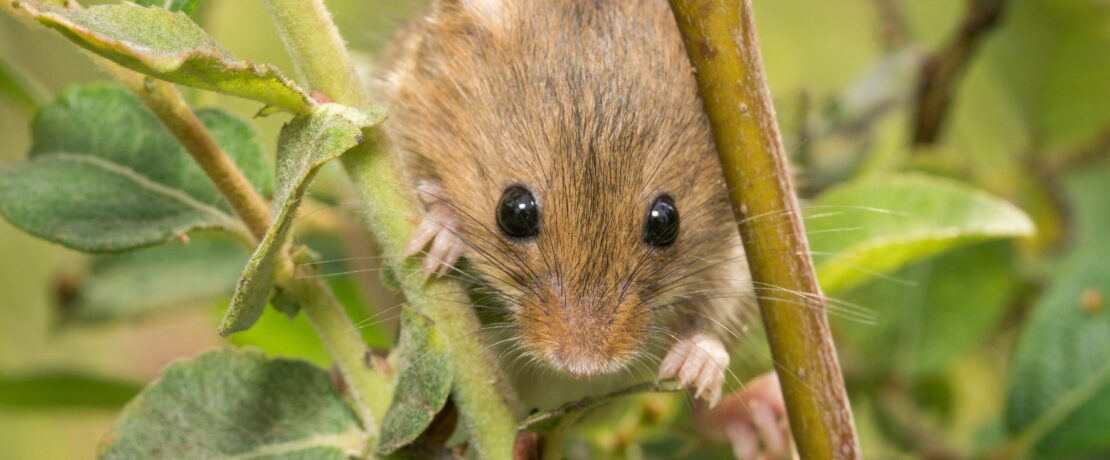
The varied landscapes and history of Bedfordshire present different habitats that support a range of animals. From chalky escarpments, old quarries and heathlands to rivers and wetlands from redundant mineral extraction.
Chalk and Lions
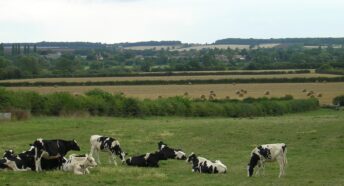
The Chiltern Hills provide unique habits. The land here is difficult to farm so areas of grassland and scrub remain amongst pockets of woodland. The meadows are the grassland equivalent of ancient woodlands, offering homes for small and large animals. There are many nature reserves across the region, ideal for quiet walks to spot wildlife. Although preserved for wildlife, cattle and sheep can also be seen in these landscapes. Their grazing keeps the grasslands free from weeds, providing space for rare plants that support a varied range of wildlife.
The chalk rock give rise to a famous animal in the area – the Chalk Lion, a symbol highlighting the location of Whipsnade Zoo on top of the Chiltern range near Dunstable. Here there are much more exotic animals than in the wilds for Bedfordshire!
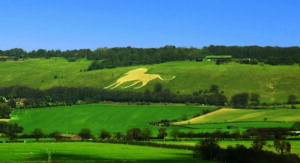
Exploring the Chiltern Landscapes
There are opportunities to explore the Chiltern hills right along its length from Pegston Hills and Barton Hills across to Dunstable Downs. The Wildlife Trust managed reserves in the Chilterns allow sympathetic access for the public. The National Trust walks start from the visitor’s centre on Dunstable Downs and Chilterns National Landscape has publish a number of walks in Bedfordshire. Links to these can be found in our feature C for Chalk – see Finding Out More, below.
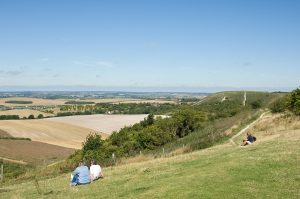
Unique Greensand
The Greensand Ridge sits diagonally across the county. The sandy sediments of shallow seas were compressed millions of years ago to create the sandstone rock. The acid soil of the ridge, historically poor for agricultural use, was good for rabbit warren farming in medieval times.
Today the Greensand Ridge is home to all of Bedfordshire’s remaining heathland, a vital habitat for many species of wildlife. Reptiles, including adders, lizards and slow worms, can sometimes be seen basking on the dry warm sandy soil. A wide range of insects favour heathland habitats, feeding on the grasses and flowers. Places to visit the heathland include Cooper’s Hill in Ampthill, and Stockgrove and Rushmere Country Park near Leighton Buzzard. At one end of the Greensand Ridge is the aptly named RSPB Sandy, a rich heathland with a wealth of birdlife.
The Greensand Ridge has a 40 mile easily identifiable walking trail which provides an accessible way to explore the area.
Beasts on the Ridgeway
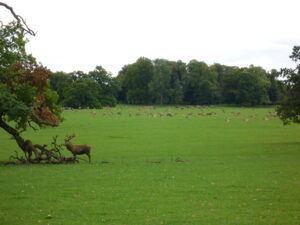
In the heart of Greensand Ridge is Woburn Deer Park and Safari Park. The Greensand Ridge walk goes through the deer park. The numerous breeds of deer there include the native Red, Roe and Fallow. Woburn had the only breeding herd of the rare Pére David Deer (Milu) when it became extinct in China in the early nineteen century. Commonly seen in the park and elsewhere are the smaller Chinese Water and Muntjac deer.
The Woburn Safari Park is home to a range of exotic animals and birds which can be seen from a drive through safari and in enclosures to explore by foot.
Watery wanderings
The Great River Ouse valley provides a green corridor, ideal for wildlife spotting. At its heart is the Great River Ouse, the 4th longest in the country. Entering Bedfordshire from the west it meanders across the county into Cambridgeshire to the east. The river creates a network of habitats for wildlife from wetland meadows to reedbeds, as well as within the river itself.
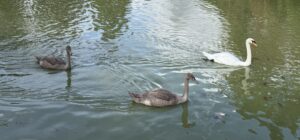
Places to appreciate along the course of the river include Priory Park on the edge of Bedford and Harrold Odell Country park, offering a mix of landscapes to explore. The Ouse Valley Way Long Distance Path provides a waymarked route for walkers. Look out for the blue flash of a kingfisher along the river.
Looking to the sky
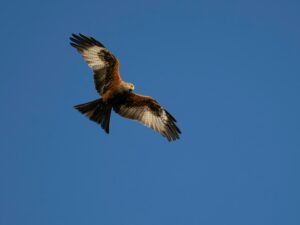
Souring above Bedfordshire, Red Kites are now a regular site in the countryside and above our villages. They were reintroduced into Oxfordshire and the Chilterns in the 1990’s to re-establish the dwindling population. Characterised by their fanned twisting forked tails, their reddish-brown body and a distinctive mewing call, they are often seen floating on the thermal air currents above escarpments across Bedfordshire. At sites like Dunstable Downs or Barton Hill it is sometime possible to be level or above their hypnotising flight.
To see other birds of prey, Herring Green Activity Farm and Birds of Prey Centre is home for over 200 birds of prey. There are opportunities for close encounters and flying displays with birds including owls, hawks and eagles.
Parks and Gardens
Spotting wildlife is not all about expeditions around the countryside. Our urban parks are planted with plenty of flowers to spot insects and have ponds to attract wildlife.
Gardens can be managed for wildlife by leaving areas a little less tidy and allowing wildflowers, which some might consider to be weeds, to provide food for insects and birds.
The local Wildlife Trust have a wealth of information on gardening for wildlife, see the link in Find Out More, below.
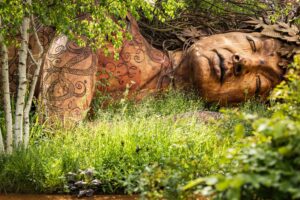
The CPRE RHS Chelsea garden ‘On the Edge’ highlighted the importance of areas lightly managed that benefit wildlife and communities. It is part of a campaign to celebrate spaces that connect people to nature in everyday life and re-evaluate the importance of these wilder urban-edge areas.
You can still add you name to the campaign to help protect and regenerate the countryside around every town and city.
Find out more
Website links for places mentioned in this feature:
Chiltern Landscape: C is for Chalk
Greensand Ridge: R is for Ridge
Ouse valley: O for Ouse Valley
Exploring Parks: P is for Public Parks
Gardening for Wildlife: Wildlife Trust Information
RHS Chelsea One the Edge Garden
Priory Park
Bromham Water Mill and Bromham Mill café
Bedfordshire Wildlife Trust Reserves