

 Contact us
 Visit CPRE.org
 Donate
X is for X Marks the Spot
In this feature we are taking a look at some of the puzzles, buried treasure and other secrets from the past in Bedfordshire.
Where was the Golden Hare
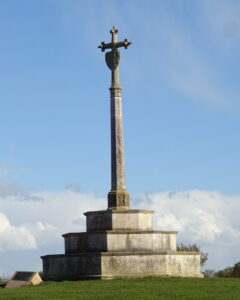
The children’s book ‘Masquerade’ was published in 1979. Created by author and artist Kit Williams, it revealed a series of puzzles and riddles which would lead the successful reader to a golden hare jewel. What started as a children’s adventure story became a national treasure hunt with thousands of people taking part. The jewel was eventually discovered buried in Ampthill Great Park, close to Katherine’s Cross in 1982. It sold for £82K at auction in 2025.
Ampthill Great Park can be explored with a network of footpaths, but no promise of finding any hares.
The Dunstable Swan Jewel
The medieval brooch was unearthed during excavation work at the site of Dunstable’s Friary in 1965. The swan shaped gold and enamel jewel, thought to symbolise allegiance to the powerful House of Lancaster, is believed to have belonged to King Henry V. The brooch is now housed in the British Museum, but a replica statue made from English oak can be seen at Bennett Memorial Recreation Ground, near to discovery site in Dunstable.
If you are interested in the history of Dunstable, the Dunstable Town Guides – promoting Dunstable’s history – have regular walks and talks.
Bedford’s Roman Baths
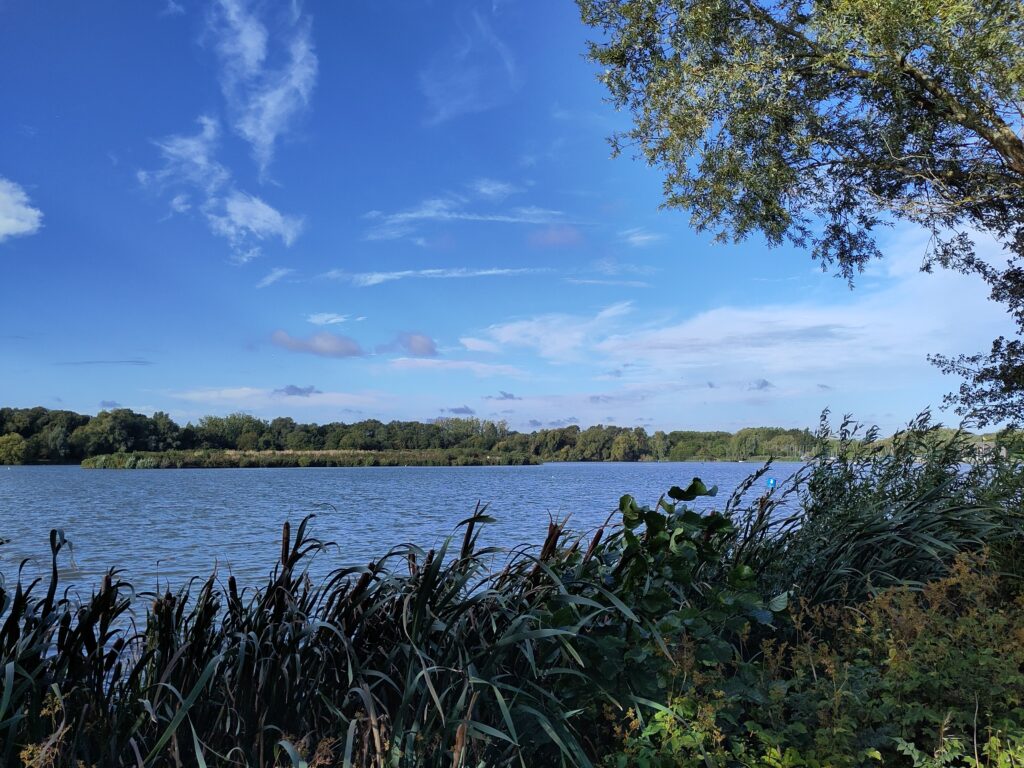
The area where Priory Lake is today was once a Roman bathhouse and early farmstead. Archaeologists discovered the complex which would have included a bath suite with hot and cold rooms, underfloor heating and a shrine for prayer. Farming and butchery also took place on the site and the farmstead consisted of a range of stone buildings with tiled roofs.
Some of the finds can be seen on the Bedford River Valley Park website
The area can be explored today with three downloadable trail leaflets which also provide more on the history of the area:
Pottery unearthed
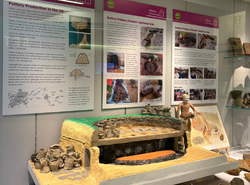
A well-preserved pottery kiln found in the grounds of Sutton VA Primary School is one of the most significant archaeological finds in the county. The size and quality of the kilns suggests that the area around Sutton, Everton and Potton had a substantial pottery industry. The complex, first thought to be from Tutor times, is now believed to have been from the late medieval era between the late 14th to the early 15th-century.
Higgins Museum is analysing, cataloguing and storing selected items from the significant amount of pottery and tiles excavation in 2024. Until the beginning of October 2026, the exhibition “Exploring Bedfordshire’s Kilns: An Industry Revealed”, produced by Albion Archaeology, includes items from the find and a model illustrating what the kiln looked like in its day.
Puzzles in the Park
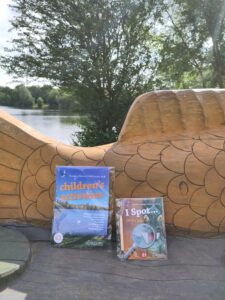
To help explore the park, the Friends of Harrold-Odell Country Park group has produced a couple of booklets. The “I Spot” book for families, helps encourage children to look for wildlife, wood carvings and other features in the park. The “Children’s Activities” booklet has brass rubbings and nature related puzzles.
The booklets can be purchased from the café, and this map shows you how to access the park and the walking routes.
Map of Harrold-Odell Country Park
Snail Trail
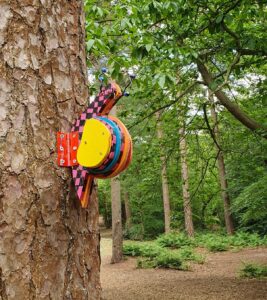
Back in Ampthill Great Park, a new trail created in 2026 brings 12 colourful snails hidden in the wooded area near the café car park. A helpful leaflet provides What3word locations to help find them (although being brightly painted makes them quite easy to spot)
Keeping Military secrets
Bletchley Park in Buckinghamshire is famous for its code breaking activities, but a lesser-known communication base in Leighton Buzzard was key in the operations.
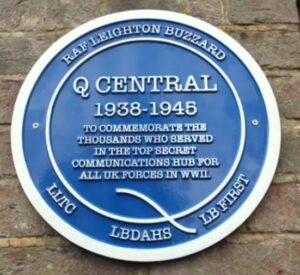
The top-secret communications base was housed in underground tunnels at Q Central near Leighton Buzzard. The site was camouflaged with green fabric to make it indistinguishable from the surrounding fields. There is no longer any trace of RAF Leighton Buzzard, but in the 1940, it managed the largest telephone exchange in the world. Thanks to the help of over 5,000 men and women the base coordinated key operations during the war.
A commemorative plaque at the town’s war memorial outside All Saints Church in Leighton Buzzard, recognises the men and women who were the backbone to the operation which helped to shorten the Second World War.
You can listen to a BBC report on Q Central:
“Vital Second World War base no one talked about”.
More to explore
Our U for Umbrella feature includes information on other historical military sites that you can visit.
Find out more about Bedfordshire history with our feature: