

 Contact us
 Visit CPRE.org
 Donate
V is for Village Greens
Village greens and common land provide valuable green spaces for residents and wildlife. Many have a long history and may be protected by law. Other green spaces can be protected in the short term with Assets of Community Value status.
Village greens
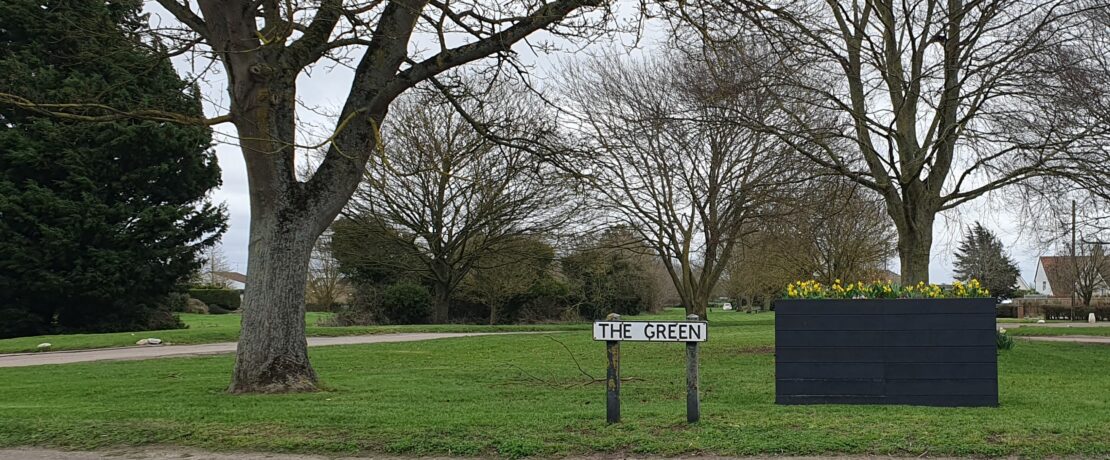
What is the classic image of a village green? An open green area with an oak tree and a bench in the middle of quaint cottages, even with a maypole or a pond?
“A green is any land on which a significant number of inhabitants of any area has indulged in lawful sports and pastimes, for 20 years, as of right.”
Village greens are important green spaces for sport and recreation and a place sit. If they have ‘rights of common’ then livestock grazing is also allowed. Many village greens are registered, giving them protection from development and preserving them for local people to use. Anyone can apply to have land registered as a green if it has been freely used by local people for recreation ‘as a right’ for at least 20 years.
Village greens often provide a focal point, space and a sense of place in a residential area. Many greens are owned by local parish councils and community councils.
Local History
Village greens originated when ancient communities formed around existing commons traditionally grazed by animals. Others were planned into new villages during population resettlement in the Middle Ages. Village greens became increasingly important when the Enclosures Acts limited access to fields and common land. The greens were used as an amenity, for recreation and grazing, as well as markets and fairs.
In 1965, the Commons Registration Act formally recognised these local assets and protected them.
Clapham became the latest village to have its green registered in the Bedford Borough, in 2023. However, there are many greens that aren’t registered.
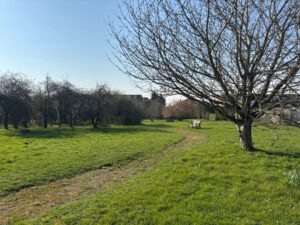
Ickwell
Ickwell, in the parish of Northill, boasts a large village green with a maypole dating back to 1872. The May Day Festival on the green is recorded as far back as 1565. Like many village greens, Ickwell has a history of cricket with Ickwell Green Cricket Club being one of the oldest clubs in Bedfordshire. Cricket has been played here for more than one hundred and twenty years.
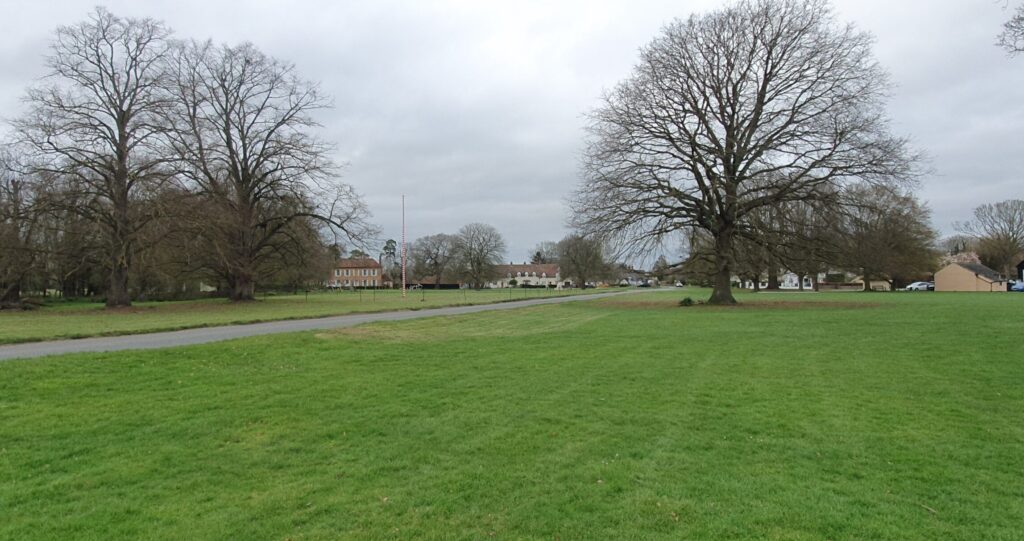
Harrold
In the centre of the quintessential triangular village green, the eighteenth-century buttermarket (market house) sits amongst mature trees. Harrold was a local trading centre with its own market charter. The market would have taken place on the green, although it seems to have been relatively small for the period with just a couple of butchers. The green also has the old village lock-up where suspected criminals and drunks would have been detained.
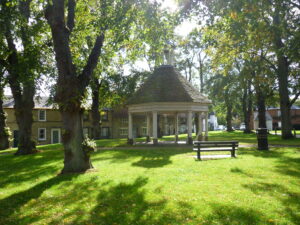
Common Land
Although some village greens may have Common Land rights, they are designated primarily for recreation. Common Land rights are slightly different, with more uses allowed, such as cutting turf or taking wood. People usually have a “right to roam” on registered Common Land for recreation, although activities like camping, events or driving are restricted.
Studham and Whipsnade
The Common at Studham and Whipsnade Heath are both large areas of Common Land. To the south of the country, both areas of common land sit in the shadow of the Chiltern hills.
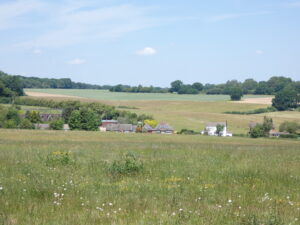
Studham Common, to the south edge of the village, offers fantastic countryside views. It is noted for its wildlife, with wildflowers in the meadow and trees and hedges for birds and small mammals.
Whipsnade Heath covers an extensive area of ancient woodland and has paths through heathland. Signs of quarrying can be seen with small hollows where flint for road surfacing and lime for field have been removed. Heathlands are traditionally grazed, but a decline in grazing has now given way to more scrubby areas with a mixture of trees. The heath offers a range of habitats and wildlife with some unusual plants and fungi.
Protecting green spaces
The Open Spaces Society specifically defends open spaces and rights of way. These include village greens and common land, as well as other places used by people for recreation in towns and the country. You can find out more about registering a village green and protecting open spaces on its website.
Asset of Community Value
Another way of protecting an open space is to apply for Asset of Community Value status. In 2023, Friends of Windsor Drive Community Open Space in Houghton Regis, a local action group that CPRE Bedfordshire had been working with, achieved Asset of Community Value status for a community green space. This offers it some protection from development and preserves an important green space for the community.
Read our Explainer feature about Assets of Community Value
Find out more about the area around Harrold with our walk guide