

 Contact us
 Visit CPRE.org
 Donate
W is for Wetlands
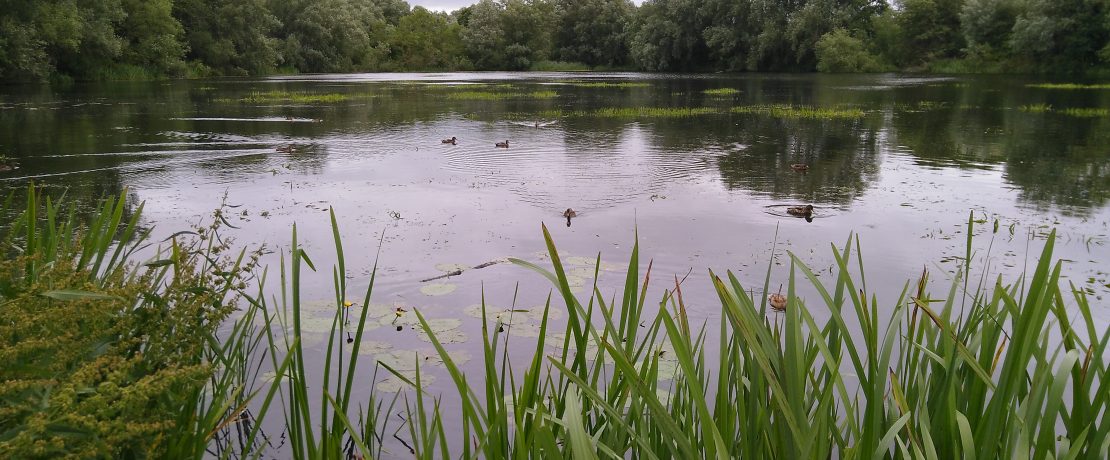
From grass or woodland wetlands to rivers, streams and ponds. Wetlands are areas that are permanently or seasonally wet. They provide a range of habitats with wildlife adapted to live in these dynamic ecosystems.
The Importance of Wetlands
Wetlands are one of our most biodiverse habitats. They are essential for many freshwater species as well as being vital stop-offs for migratory birds.
Some types of wetlands help with climate change by storing carbon. Others are crucial in managing the risk of flooding or help to purify water.
And it’s not just for wildlife; many wetlands offer places for recreation and connections with nature. Spending time around water (blue space) can have greater wellbeing benefits than valuable green spaces.
In Bedfordshire, we have a range of wetlands from manmade lakes to wet meadows.
Wasteland to Wetland
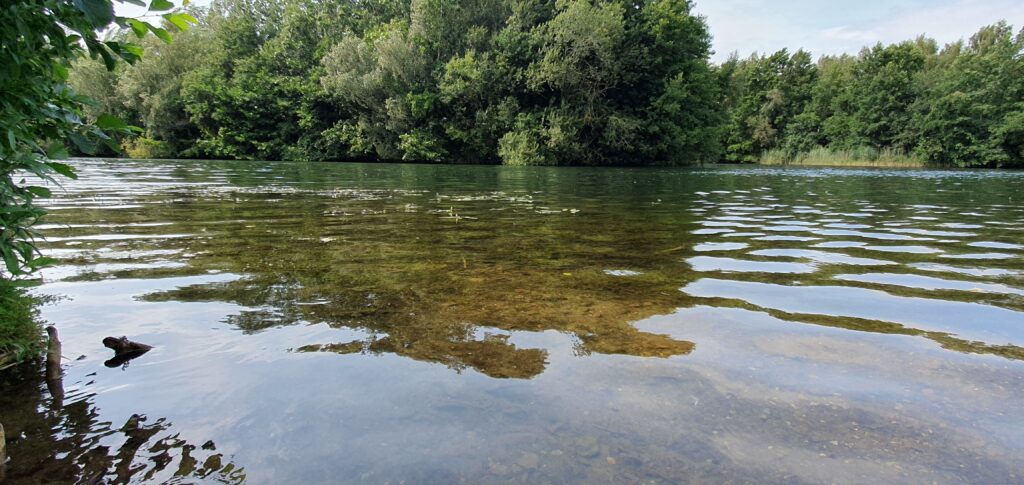
A legacy of the various mineral extractions across the county has left Bedfordshire with manmade wetlands. Many of these old quarry sites are now valuable nature reserves and recreation spaces. Examples include Harrold and Odell Country Park, the Forest Centre and Millennium Country Park at Marston Moretaine and Clophill Lakes. Our A-Z feature on quarries has visitor and walks information.
Meadows and Moors
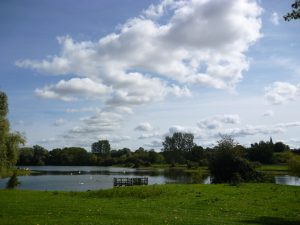
Natural pockets of wetland can be found across the county. Once more widespread, waterlogged meadows offer habitats for a variety of insects, amphibians, birds and plant species.
The Riddy at Sandy is a wet meadow next to the River Ivel and includes the old mill pool. It is a nature reserve managed by the local Wildlife Trust.
The name “riddy” – a term for a small stream – appears in many place names. At Cowslip Meadows near Luton, the Riddy Brook starts from springs and pools in this wet meadow. It gives its name to nearby Riddy Lane. The wetland is a Site of Special Scientific Interest (SSSI) and supports many species including Water Voles and Great Crested Newts, both protected under the Wildlife and Countryside Act 1981.
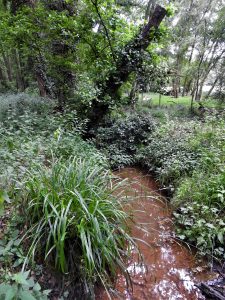
Flitwick Moor is also an SSSI with a unique habitat for many site specific and rare species. The moor is shady with oak and birch trees. Peat extracted for hundreds of years left the network of streams and ponds. The iron-rich water gives the waterways an unusual rust-coloured appearance. It was once commercially bottled for its alleged health benefits. The moor is best seen from the woodland paths including a boardwalk to get across the boggy areas.
Chalk Streams
The chalk geology of Bedfordshire gives rise to another important, but rare and endangered wetland. Chalk streams contain clear water that has percolated through porous rock. Filled with filtered water rather than rain run-off, the water is rich in minerals. With little seasonal variation in the flow rate, the water temperature is almost constant. These unique conditions make chalk streams valuable for wildlife. A good insect population provides food for fish, and the lack of silt build-up gives the streams a gravel bed for fish spawning.
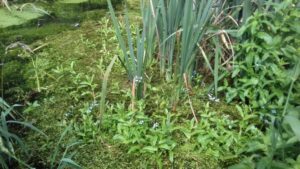
The River Ivel running through the north of Bedfordshire is example of a chalk stream. Straightening for watercress growing in the past, means it lost some of its chalk stream features. Recent restoration at Ivel Springs Nature Reserve has helped to preserve this rare wetland.
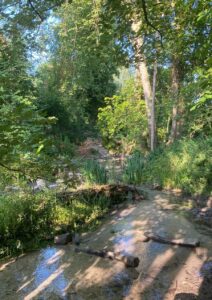
At Barton Springs, near Barton-le-Clay, the crystal water emerges from the base of the Chiltern hills.
More to discover
Related features on places in Bedfordshire explore reclaimed quarries, flooded meadows in the Ouse valley, the River Ivel and Flitwick Moor. Take a look for more specific information as well as links for walks and other places to visit.